
01
Explore the anatomy.
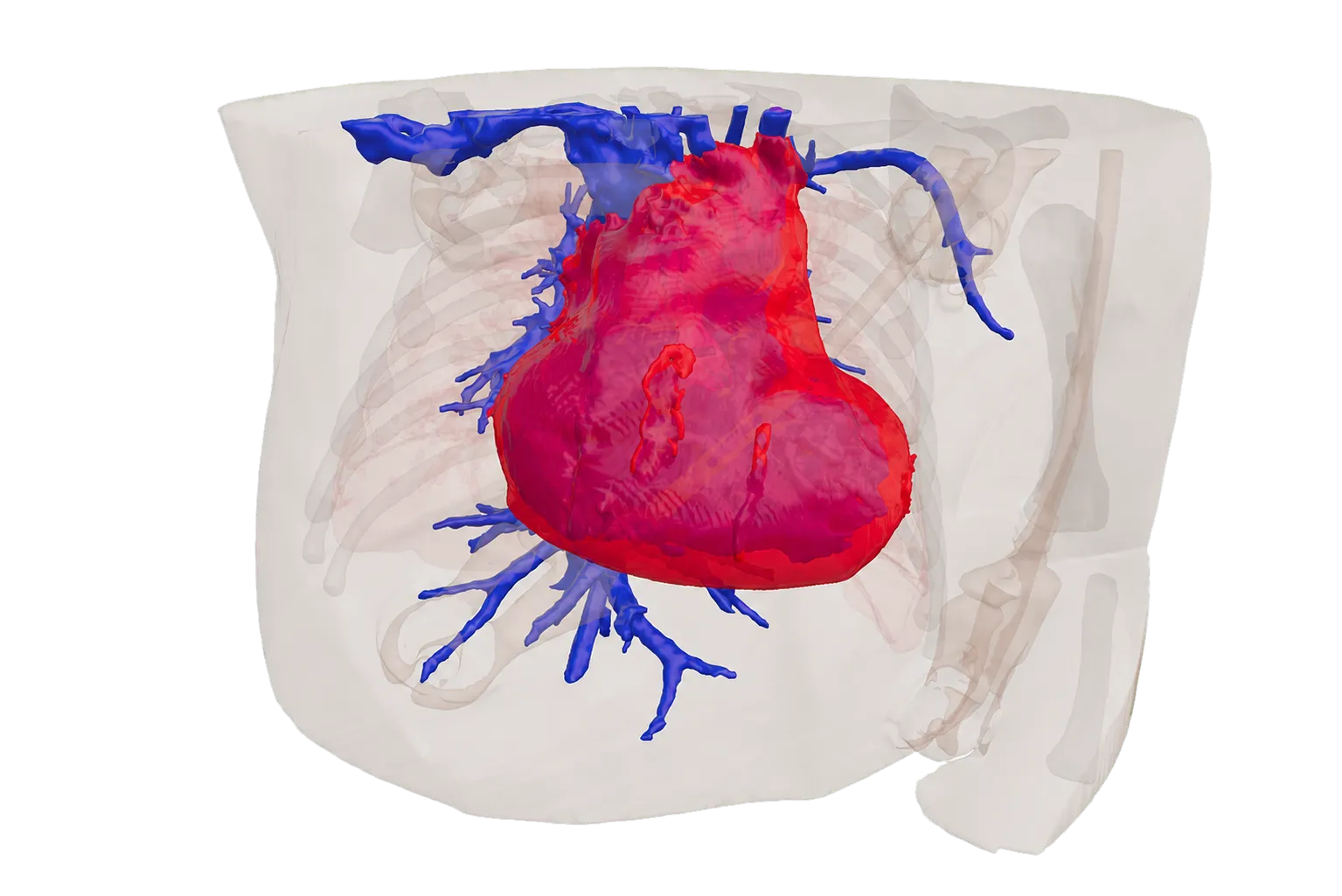
Working from a de-identified patient model, the team can turn, section, and move through the real structure from any angle rather than interpreting a flat image.
Healthcare
Make the expert’s reading of it repeatable.
The challenge
In a complex case, how well the team understands the anatomy going in shapes what happens in the room. That understanding sits with the clinicians who have the most experience, who have worked the most difficult cases firsthand, and it is hard to give to anyone else from a scan or a slide. The same limits apply after the plan is set, when a patient and their family need to understand the condition and the procedure ahead.
See it
“It helps you not only define the anatomy with great accuracy, but also plan your surgical operation well ahead of time with a lot of confidence.”
The research
Enduvo began in this work and has been the subject of peer-reviewed research, with institutions including OSF HealthCare, the University of Illinois College of Medicine, and NIH researchers.
p = 0.012
Physicians’ confidence in their understanding of patient anatomy increased significantly after reviewing complex congenital heart cases in Enduvo.
Springer, 202563%
Of complex pediatric cases where the 3D model increased the surgeon’s confidence in the plan
SAGE, 2024How it works
01
Working from a de-identified patient model, the team can turn, section, and move through the real structure from any angle rather than interpreting a flat image.
02
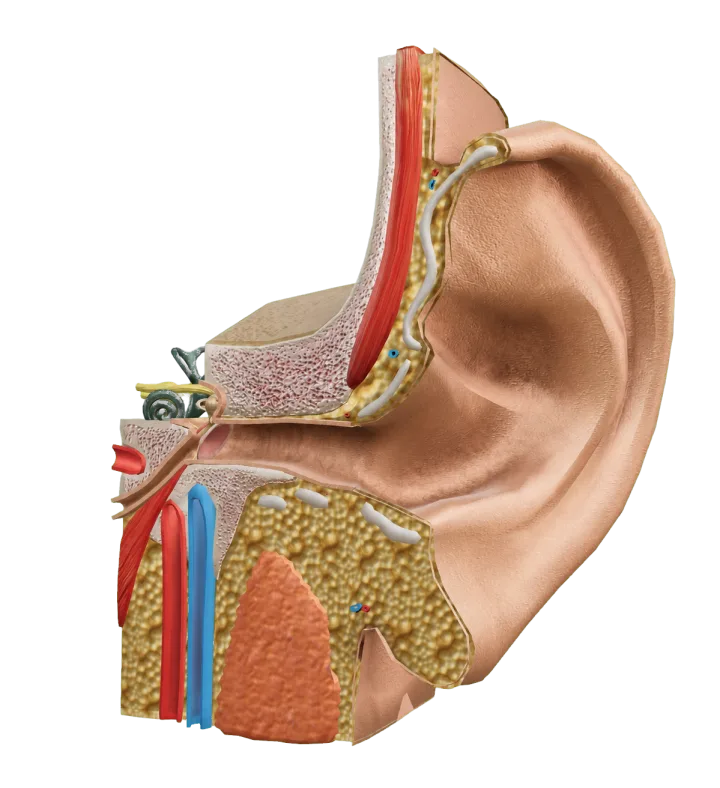
A senior clinician walks through the case in their own voice, marking what matters and why, so their thinking is recorded alongside the anatomy.

03
That walkthrough becomes something the team or a trainee can revisit before the procedure or the lesson, as many times as they need.